
Understanding the nuances of SEO for static websites is crucial when it comes to website optimization. With their fixed content and simple structure, static websites present a unique set of challenges and opportunities for digital marketers.
This article will guide you through the key aspects of optimizing a static site, highlighting the best practices, challenges, and key SEO strategies to boost the visibility and performance of static websites.
Understanding SEO for Static Websites
What is a Static Website and Why SEO Matters?
A static website consists of web pages with fixed content written in HTML. These pages are delivered to the user exactly as stored, meaning no server-side processing or dynamic content generation is involved. Static websites don’t need complex backend systems or databases. Still, they must have good SEO to be seen on search engines.
SEO for static websites focuses on optimizing the on-page elements such as titles, meta descriptions, and HTML structure. Static websites can be as effective as dynamic ones for search engine visibility. This is true, especially when they are optimized correctly. Static websites are more straightforward to optimize. They are pre-built and don’t need server-side processing. In contrast, dynamic web pages require extra techniques for SEO optimization.
Key Differences Between Static and Dynamic Websites
The primary difference between static and dynamic websites is how their content is generated and delivered to the user. Dynamic websites generate content on the fly using databases and server-side scripting, making them more flexible but often more complex. On the other hand, static sites have fixed content that doesn’t change unless manually updated.
Static sites are more manageable for search engines to crawl and index. Their content is readily available, so there’s no need for complex processing. SEO for static websites also optimises elements such as meta tags, titles, and HTML, ensuring that search engines easily understand them.
Best SEO Practices for Static Websites
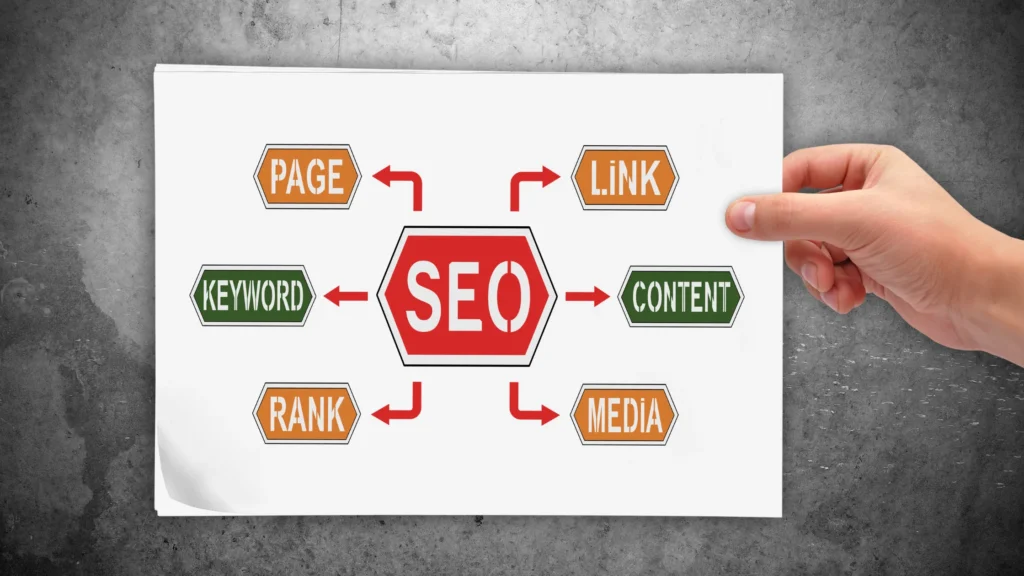
Optimizing HTML for SEO in Static Sites
One of the primary SEO requirements for a static site is ensuring the HTML structure is well-optimized. This includes using relevant keywords in title tags, meta descriptions, and header tags (H1, H2, etc.). The HTML file should be clean and well-organized, making it easier for search engines to crawl and index the pages.
Additionally, the URL structure should be simple and descriptive. A static website typically has static HTML pages with simple URLs, which makes it easier for search engines to understand and index the content.
SEO for Static Site Generators (e.g., Jekyll)
Static site generators like Jekyll are popular tools for building fast, SEO-friendly static websites. These platforms generate clean, minimalistic HTML pages that are easy for search engines to crawl and index. Using Jekyll or other static site generators helps website owners optimize content for users and search engines.
Moreover, Jekyll static sites often have built-in templates for managing meta tags, creating sitemaps, and improving SEO performance. Using SEO strategies on static sites made with these generators is usually easier. This is because they offer a simple and structured way to manage content.
Technical SEO: Ensuring Your Static Website is Crawlable
Technical SEO practices must be followed to ensure that search engines can properly crawl and index a static site. This includes configuring the robots.txt file to guide search engines on which pages to crawl and which to avoid. Additionally, creating and submitting a sitemap can significantly improve a static site’s visibility in search engines.
Since static websites lack dynamic content, optimizing the page speed is especially important. Page speed is a crucial ranking factor for SEO, and static websites tend to load faster than their dynamic counterparts due to their simplified structure.
On-Page SEO for Static Websites
Using Keywords Effectively in Static HTML Pages
Keyword optimization is at the core of SEO for static websites. Since static sites have fixed content, ensuring that relevant keywords are naturally incorporated into the HTML and on-page elements is essential. When selecting keywords for static pages, it’s important to focus on primary and secondary keywords that align with user search intent.
Structuring Static Content for Maximum SEO Benefit
Organizing content effectively within static pages can help improve SEO. Using header tags (H1, H2, H3, etc.) to structure the content makes it easier for search engines to understand the information hierarchy. This benefits SEO and improves the user experience by providing straightforward, readable content.
The Role of Meta Tags and Title Tags in Static Websites
Title tags and meta descriptions are essential for SEO optimization on static websites. The title tag should be concise and include keywords or phrases relevant to the page’s content. Similarly, meta descriptions should engagingly summarize the content, encouraging users to click on the link in search engine results.
Common SEO Challenges for Static Websites

Limited Dynamic Content and Its Impact on SEO
One of the key SEO challenges for static websites is the lack of dynamic content. Since static sites don’t update regularly, engaging users with fresh content can be more complicated. However, this can be overcome by regularly updating existing pages, adding blog posts, or integrating content management systems that support static site generation.
Overcoming Crawl Limitations for Static Sites
Although static sites don’t have the server-side complexities of dynamic websites, they may still face crawl limitations if not correctly configured. Ensuring that each static page has the correct meta tags, sitemap, and robots.txt file is key to ensuring search engines can crawl and index the site effectively.
Dealing with Slow Page Load Times and SEO
While static websites tend to load faster than dynamic websites, page load speed still plays a critical role in SEO. Even small optimizations, such as compressing images, enabling browser caching, and minimizing HTTP requests, can significantly impact a static website’s SEO performance.
Off-Page SEO Strategies for Static Websites
Building Backlinks for Static Websites
Building backlinks is a crucial off-page SEO strategy for any website, including static websites. By acquiring high-quality backlinks from authoritative sources, a static site can improve its domain authority and, in turn, its visibility in search results. Focus on getting backlinks from relevant and trusted websites within your niche.
Social Media Integration and Its Impact on SEO
Although social signals are not a direct ranking factor, integrating your static site with social media platforms can drive traffic and increase brand visibility. Sharing content from your static website on social media can also lead to more backlinks, positively impacting your SEO efforts.
Static vs Dynamic Websites in SEO
SEO Advantages of Static Sites
When comparing static vs. dynamic websites, static sites have several advantages. They are easier for search engines to crawl and load faster and require less server-side processing. Additionally, since the content is pre-built, static websites are more SEO-friendly with cleaner HTML files.
SEO Drawbacks of Static Sites
However, static websites lack the dynamic content capabilities of dynamic web pages, which can make them less engaging in terms of content updates. However, these challenges can be mitigated by using strategies like blog integration or adding new static pages regularly.
Also Read: SEO for Personal Trainers: Boost Your Clients Fast!
Wrapping Up: Maximizing SEO for Static Websites
Optimizing SEO for static websites may seem straightforward due to their simplicity; still, applying the proper techniques to ensure your static pages rank well in search engine results is essential. Focusing on key elements like meta tags, HTML structure, and improving crawlability ensures that your static site remains competitive in today’s SEO landscape.
Whether you’re using static site generators like Jekyll or a simple static HTML structure, the approach to SEO remains essentially the same: optimize on-page elements, focus on technical SEO, and integrate off-page strategies like backlink building and social media sharing.
As static websites continue to gain traction for their speed and simplicity, making your site SEO-friendly can significantly boost your online visibility. With the proper focus on content structure and optimization, static websites can thrive in the competitive world of search engine rankings.